Mark Macedonia

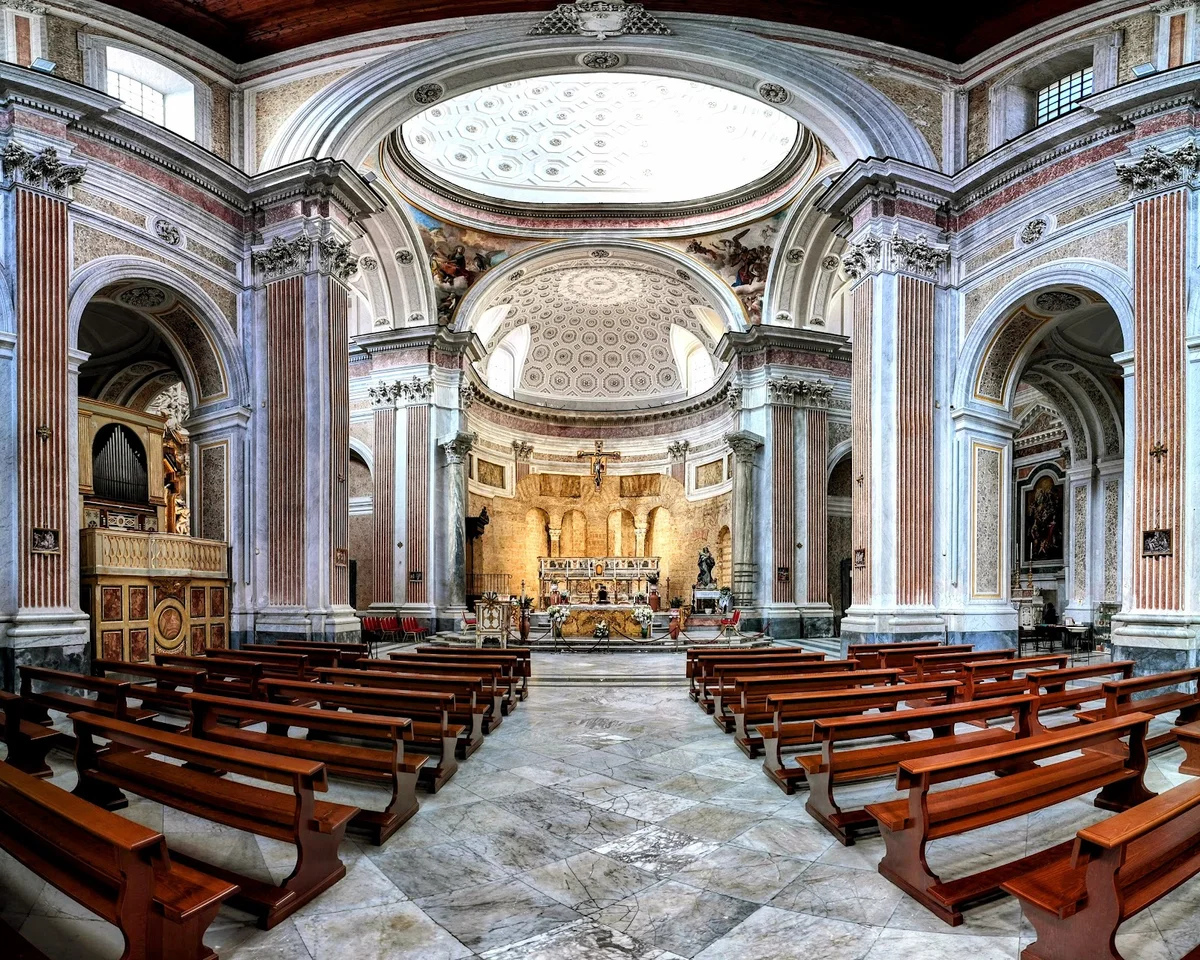
Christian Churches—Italy has a lot of them. In fact, the Italian nation has one of the highest densities of churches per square kilometer in the world. While vacationing in Italy, my wife and I visited a number of churches in Florence, Siena, Amalfi, Rome, Naples, and Vatican City. Each one just as or more spectacular in architecture and beauty than the last. Many of the churches have a similar tale to tell when delving into their origin; but let me tell you about one particular church we stumbled upon by accident with an interesting story.
It was early morning and we had just checked out of our hotel in the historic section of Naples. Having time to kill before the arrival of our taxi, we explored the back alley outside the hotel on foot and discovered a church located only a few minutes away. The towering old stone building was quietly implanted among other stone structures covered in graffiti; however, the church walls were unmarked by the modern street artwork. There was little pedestrian activity outside of the church; yet we were surprised to find a side door of the religious building pried wide open, seemingly begging our entrance. Upon entering the church, we found ourselves to be alone with the exception of one elderly Italian man who appeared eager to tell us a story.
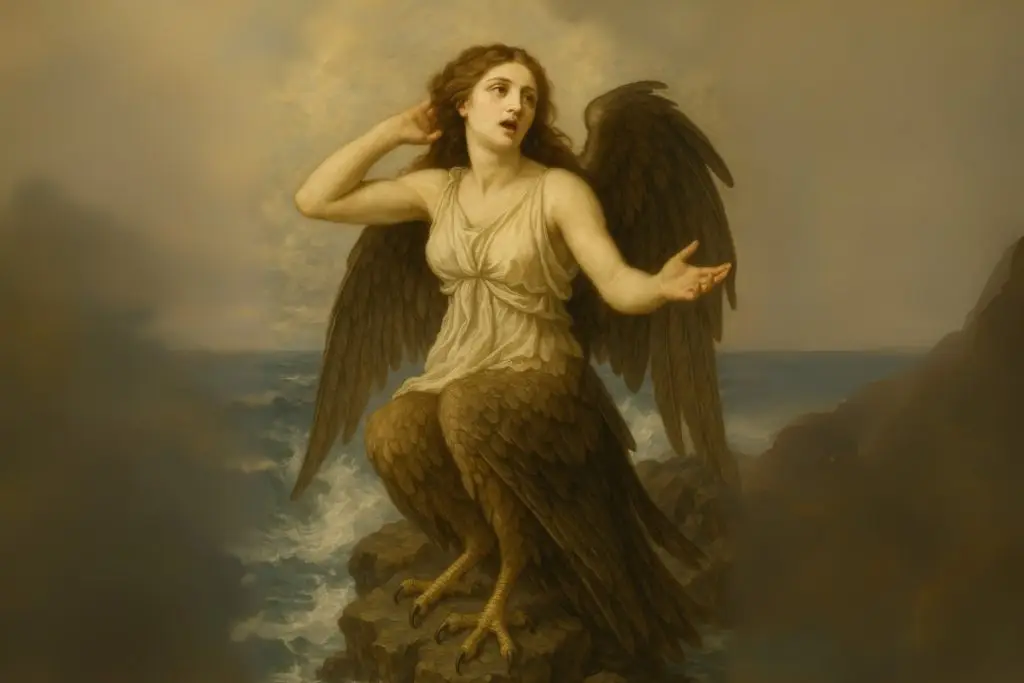
From the excited lips of the man, the friendly stranger identified the church as the Basilica di San Giovanni Maggiore, one of Naples’ oldest Christian Churches constructed around 324 CE. The old man proceeded to show us a wall-mounted funerary-style slab located on the left side of the church near to the altar carved with an inscription written in Latin. It reads: “Creator of all things, happily protect Parthenope”. Who was Parthenope? Well, according to legend, Parthenope was one of the sirens that failed to enchant Odysseus, the character in Homer’s famous literary work, The Odyssey. Although unnamed in the story, early Greek settlers of Naples gave the siren her name and created the myth in explaining the origins of the city. As the story goes, Parthenope is believed to have drowned herself after failing to enchant Odysseus and legend has it that she is buried beneath the church. Originally, a Greek temple was built upon the spot, but with the arrival of the Romans and later the subsequent spread of Christianity throughout the empire during the fourth century CE, a church was raised where the temple once stood.
Interestingly, on the Balkan Peninsula, some early Greeks made it a habit to build temples on the site where prehistoric bone fragments were unearthed. These early peoples had no knowledge of the age of dinosaurs, but because of the great size of the bones found, it is possible that the Greeks believed they lived in the shadow of giants who perhaps made a home on what the Greeks named Mount Olympus. Thus, the pantheon of Greek gods was born. Later, with the rise of Christianity, Catholic churches were and still are encouraged to place relics, such as bone fragments of saints beneath the floor of an altar.
By the way, I used the knowledge of this ritual to open the first chapter of my historical fiction mystery, The Soles of Cyrus Eblis.